PEGI 16 for loot box games: what changes for games already on sale
PEGI is re-rating existing digital games that sell loot boxes to PEGI 16. Which games are affected, what it means for parents, and what is still unclear.
Since mid-October, PEGI, Europe's video game age rating system, has been raising existing games that sell "paid random items" such as loot boxes to PEGI 16. The process continues through the end of the month. Here is what changes, for whom, and what we don't know yet.
What PEGI is changing
Existing digital-only games rated PEGI 3, 7 or 12 that sell paid random items move up to PEGI 16, with a "Paid random items" descriptor. The re-rating of existing games started in October, notes Ask About Games, the UK industry-backed information site for families. The Games Rating Authority, which runs PEGI in the UK, re-rated its first games in mid-October, according to its policy manager Connor Hinde, quoted by PocketGamer.biz.
By "paid random items", PEGI means any purchase whose contents you don't know in advance: loot boxes, character gacha pulls, card packs and similar mechanics.
A rule already applied to new games
The re-rating extends a reform announced in March. Since June 1, 2026, PEGI has also assessed the "interactive risks" of games submitted to it. A game that sells paid random items is rated PEGI 16, and a social casino game, where you keep paying for spins that resemble real gambling, PEGI 18. Other criteria come on top: PEGI 12 for time- or quantity-limited offers, PEGI 7 for rewards that encourage you to come back (PEGI 12 if you are penalized for staying away), and PEGI 18 for entirely unrestricted communication features. October's re-rating applies these rules to games already on sale.
Which games are affected
PEGI does not publish a list. Several well-known games have already changed rating on European storefronts, according to press reports: Marvel Rivals, which went from PEGI 12 to PEGI 16 on October 17, as well as Pokémon TCG Pocket and Fire Emblem Heroes. As Ask About Games points out, a new label doesn't mean the game itself has changed: what is at issue is the sale of random items.
What it means in practice
On digital storefronts, the game's page now shows PEGI 16 and the paid random items descriptor. If a console's or store's parental controls are set to your child's PEGI age, a re-rated game may be blocked for a profile under 16: worth checking if your child plays one of these games.
What is still unclear
- Boxed games: the announcement only covers digital-only games and says nothing about those that also exist as a physical release.
- The full list: PEGI doesn't publish one, and changes arrive game by game through the end of October.
- Outside Europe: the ESRB, the US rating board, said in March it would not follow suit, according to press reports. The same game can therefore carry different ratings in Europe and the US.
Sources
Read next
Video game news digest: Thursday, October 22, 2026
EA closes BioWare and cancels the next Mass Effect, Xbox sells cloud playtime without Game Pass, and Cyberpunk 2077 brings mods to consoles.


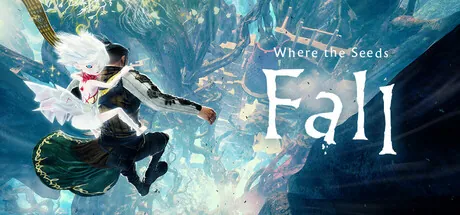
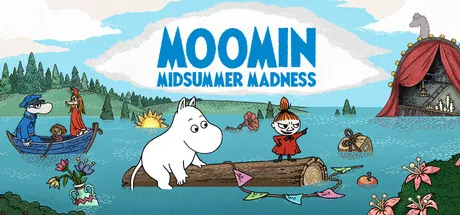
Steam Next Fest: the demos to try before it ends on Monday, October 26
October's Steam Next Fest ends Monday, October 26 at 10 AM PDT. Four games from our calendar have demos in it: here is which ones and what they include.

Football Manager 27 free play on PC and Mac from October 29 to November 3
Football Manager 27 is free to play on PC and Mac from Thursday, October 29 to Tuesday, November 3, with every mode, ahead of its November 10 launch.